
As the seasons change in Melville, New York, your home's security needs change too. The harsh winter cold, humid summer air, and everything in between can take a toll on your locks, doors, and security systems. Regular seasonal maintenance isn't just about preventing lockouts—it's about ensuring your family's safety and protecting your investment. At Melville Locksmith, we've seen how a little preventive care can save homeowners from costly emergency repairs and security vulnerabilities. Whether you're dealing with frozen locks in January or swollen doors in August, understanding how to maintain your locks throughout the year is essential for every Long Island homeowner.
Spring Lock Maintenance: Preparing for the Season of Renewal
Spring is the perfect time to assess the winter damage and prepare your home's security for the warmer months ahead. The freeze-thaw cycles of Long Island winters can wreak havoc on exterior locks and hardware.
Start by inspecting all exterior locks for signs of rust, corrosion, or moisture damage. Winter salt and snow can accelerate deterioration, especially on coastal properties where salt air compounds the problem. Clean each lock cylinder thoroughly using a dry cloth to remove any accumulated dirt, debris, or salt residue. Avoid using water-based cleaners, as moisture can lead to internal rust.
Spring Maintenance Checklist
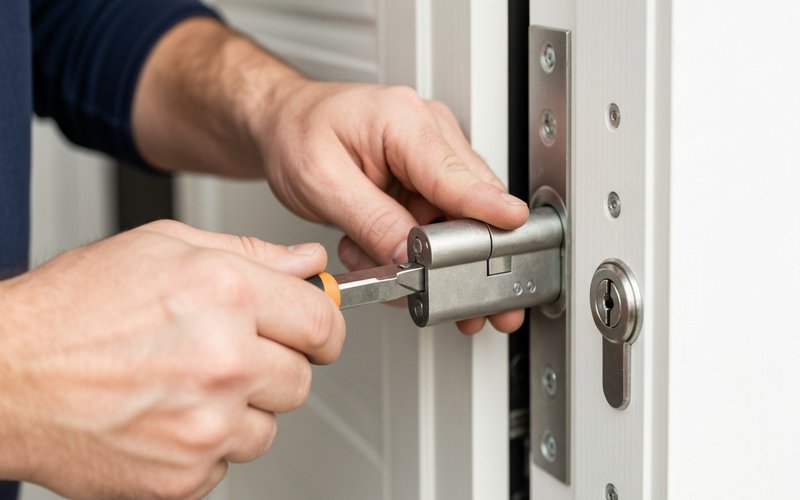
- Lubricate all locks with graphite powder or silicone-based lubricant (never use oil-based products)
- Test each key in its corresponding lock to ensure smooth operation
- Tighten loose screws on door handles, strike plates, and hinges
- Check weatherstripping around doors for wear and tear
- Inspect deadbolts to ensure they fully extend and retract
- Clean and test garage door locks and openers
- Replace any keys that show signs of wear or bending
Summer Lock Care: Protecting Against Heat and Humidity
Long Island summers bring high humidity that can cause wooden doors to swell, affecting lock alignment and function. This seasonal expansion can make it difficult to lock and unlock doors, potentially leaving your home vulnerable.
Pay close attention to doors that stick or require extra force to close. When doors swell, the lock bolt may not align properly with the strike plate, compromising security. If you notice misalignment, don't force it—contact a professional locksmith to adjust the strike plate or plane the door edge.
Humidity can also affect electronic locks and smart security systems. Check battery levels in all electronic locks monthly during summer months, as heat can drain batteries faster than usual. Keep electronic components clean and dry, and ensure that outdoor smart locks have adequate weather protection.
Summer Security Tips
- Monitor door alignment weekly, especially after heavy rain
- Keep locks clean from sand and beach debris if you live near the coast
- Test air conditioning impact on indoor humidity and door fit
- Inspect vacation home locks if you have a seasonal property
- Ensure pool gates and outdoor storage locks function properly
- Check that all window locks engage securely
- Consider installing smart locks for better vacation monitoring
Fall Preparation: Getting Ready for Colder Weather
Autumn is your opportunity to prepare your locks and security systems for the challenging winter months ahead. This preventive maintenance can prevent frozen locks and weather-related failures when temperatures drop.
Inspect all exterior locks for gaps where cold air and moisture might penetrate. Even small openings can allow water to seep in, which can freeze and damage internal lock mechanisms. Consider installing lock covers on exposed exterior locks, particularly those facing north or in shaded areas that don't receive direct sunlight.
Fall is the ideal time to create a comprehensive home security assessment. Walk around your property at dusk to identify dark areas that might benefit from additional lighting. Check that all outdoor lights function properly and consider upgrading to motion-sensor lights near entry points.
Fall Security Preparation
- Apply weatherproof lubricant to all exterior locks
- Install or replace lock covers on exposed deadbolts
- Check that all doors close and seal properly before cold weather arrives
- Test outdoor lighting systems and replace burnt bulbs
- Trim overgrown bushes that could conceal intruders
- Inspect sliding door locks and tracks for debris
- Store spare keys in weatherproof key safes rather than under mats
- Schedule professional lock inspection before winter
Winter Lock Protection: Preventing Freeze-Related Issues
Winter presents unique challenges for lock maintenance in Melville. Freezing temperatures can cause lock cylinders to ice over, leaving you locked out in dangerous cold conditions.
Never attempt to thaw a frozen lock with boiling water or a lighter—both can damage the lock mechanism. Instead, use a lock de-icer spray or warm (not hot) your key with a lighter and gently insert it into the lock. A better approach is prevention: apply a specialized lock lubricant designed for cold weather before winter arrives.
Snow and ice buildup around door frames can prevent proper door closure, affecting lock alignment. Keep entry areas clear of snow and ice, and ensure that gutters and downspouts direct water away from doors to prevent ice formation.
Winter Lock Maintenance
- Keep lock de-icer spray accessible in your car and garage
- Never force a frozen lock—gentle warming is key
- Clear snow and ice from door frames promptly
- Check that cold weather hasn't caused door contraction affecting lock alignment
- Inspect garage door locks monthly as these are especially vulnerable to cold
- Ensure heated interior spaces haven't caused interior locks to loosen
- Test all locks after major storms
- Keep emergency locksmith contact information easily accessible
Year-Round Locksmith Maintenance Best Practices
Regardless of the season, certain maintenance practices should be part of your regular home care routine. Consistency is key to preventing both gradual wear and sudden failures.
Develop a quarterly lock inspection habit. Every three months, test each lock in your home, checking for smooth operation, proper key fit, and secure mounting. This regular attention helps you catch small problems before they become security risks or emergency situations.
Invest in quality locks from the start. While cheaper locks might save money initially, they typically require more frequent replacement and offer inferior security. Quality locks from reputable manufacturers provide better performance and longer lifespans.
Professional Maintenance Benefits
- Expert identification of wear patterns you might miss
- Proper adjustment of commercial-grade locks
- Security upgrades based on current best practices
- Comprehensive assessment of all entry points
- Professional rekeying when needed
- Installation of advanced security features
- Emergency service availability for unexpected failures
Recognizing When to Call a Professional
While regular DIY maintenance can prevent many problems, some situations require professional expertise. Knowing when to call a locksmith can prevent security compromises and avoid damaging locks through improper repairs.
Call a professional immediately if you notice keys becoming increasingly difficult to turn, locks that won't fully engage, or visible damage to lock cylinders. These issues indicate internal problems that require expert attention. Similarly, if you've experienced a break-in attempt, even if unsuccessful, have a locksmith inspect all locks for hidden damage.
Don't wait for a complete lock failure or emergency lockout. Addressing issues early is always more cost-effective than emergency repairs.
Conclusion: Protecting Your Home Through Every Season
Seasonal locksmith maintenance isn't just about keeping locks working—it's about maintaining your home's first line of defense against intrusion and ensuring your family's safety throughout the year. By following these seasonal tips and staying proactive about lock care, you can avoid most common lock-related problems and extend the life of your security hardware.
At Melville Locksmith, serving homeowners at 1144 Walt Whitman Rd and throughout the Melville area, we understand the unique challenges that Long Island weather presents to home security systems. Whether you need emergency lockout service, professional lock maintenance, or a complete security upgrade, our experienced team is ready to help.
Don't wait for a lock failure or security emergency. Contact Melville Locksmith today to schedule your seasonal lock inspection and ensure your home stays secure through every season. Our local, family-owned company provides transparent pricing, certified service, and 24-hour emergency availability when you need us most. Protect your home and family with professional locksmith care—because peace of mind never goes out of season.